Landscaping Guides for Wisconsin Homeowners

Straight answers about which materials hold up through a Sheboygan County winter, when to do each job in Zone 5b, and how to tell a good quote from a cheap one. Written by the crew that does the work.

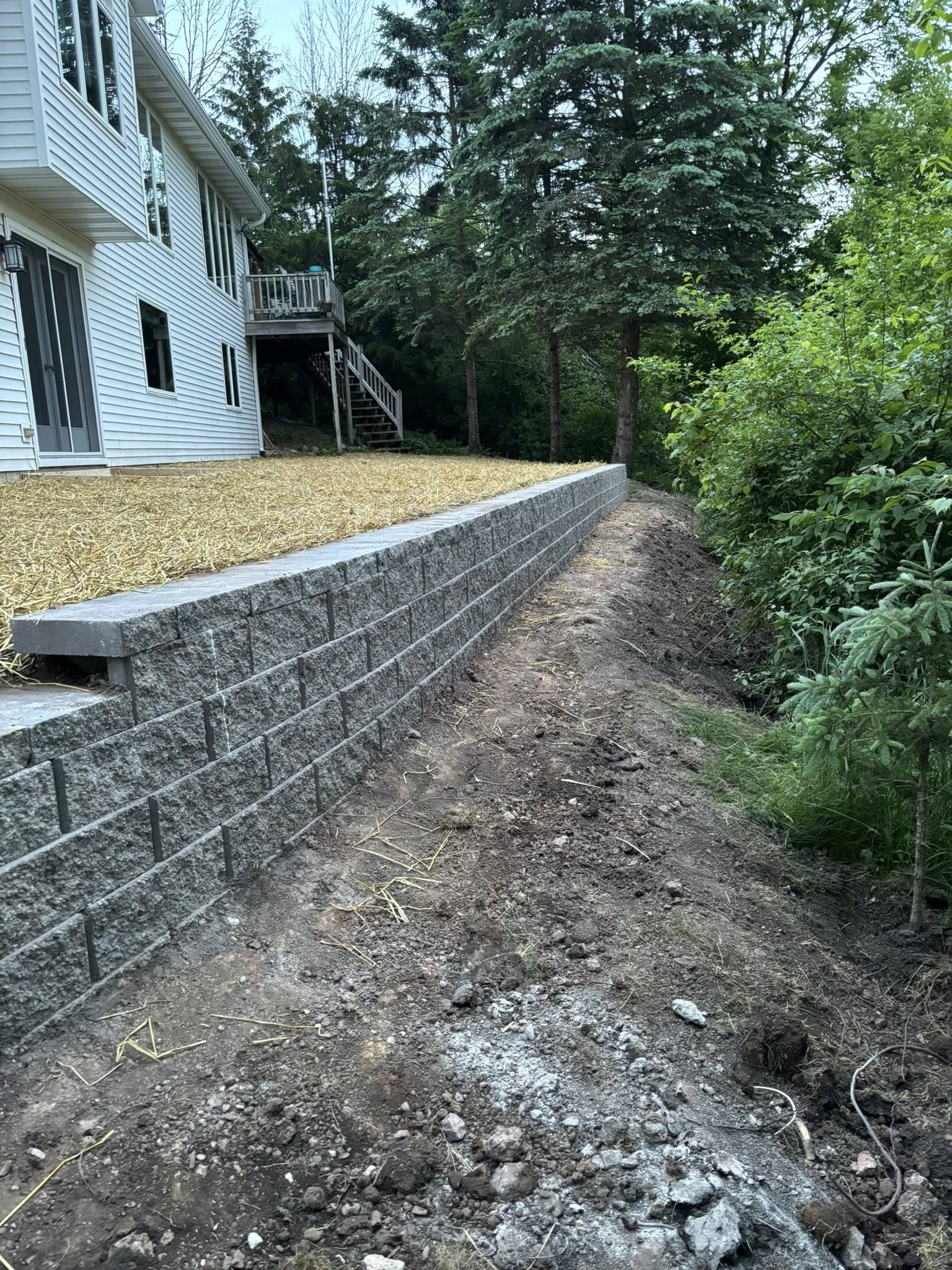
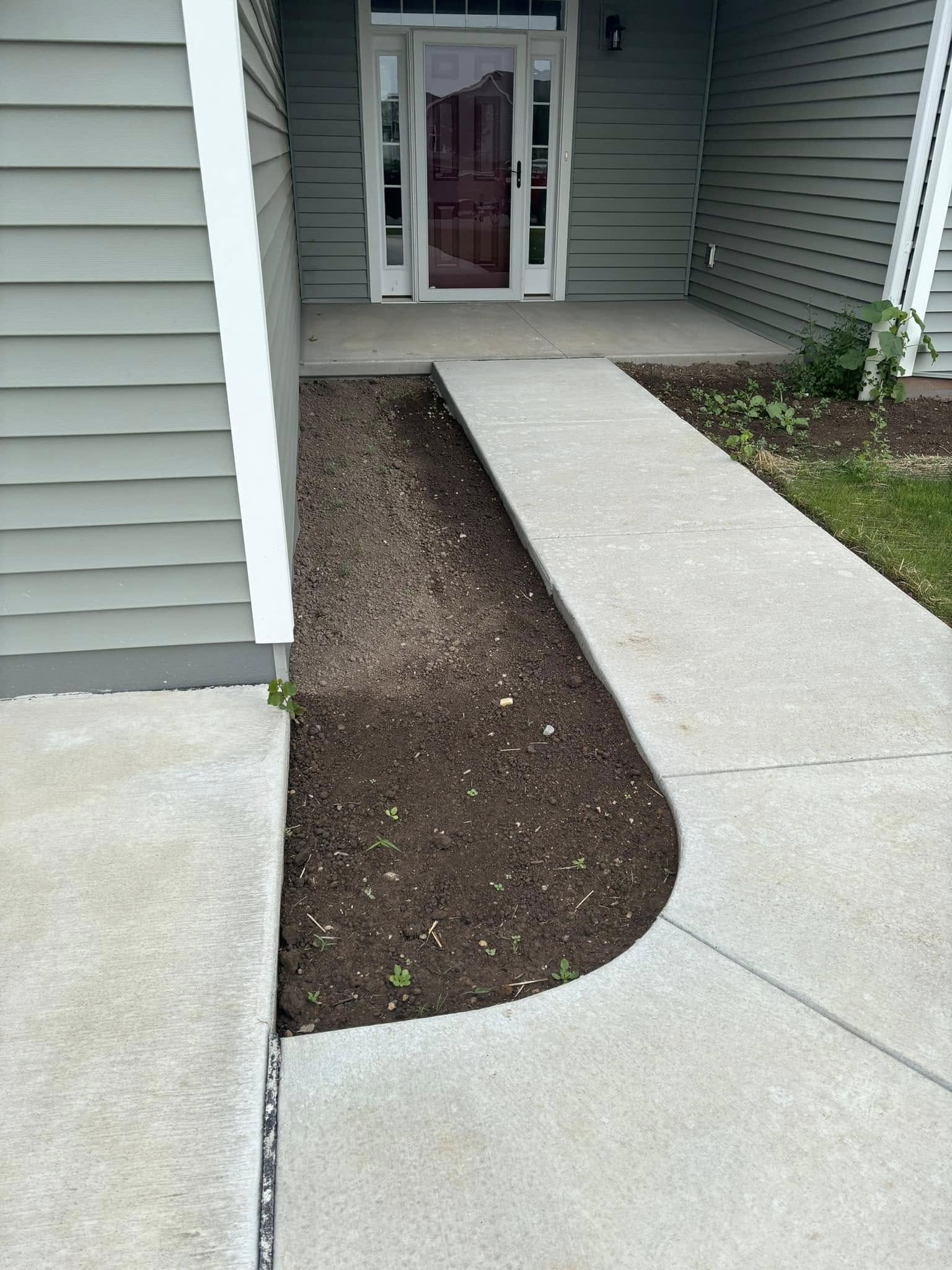
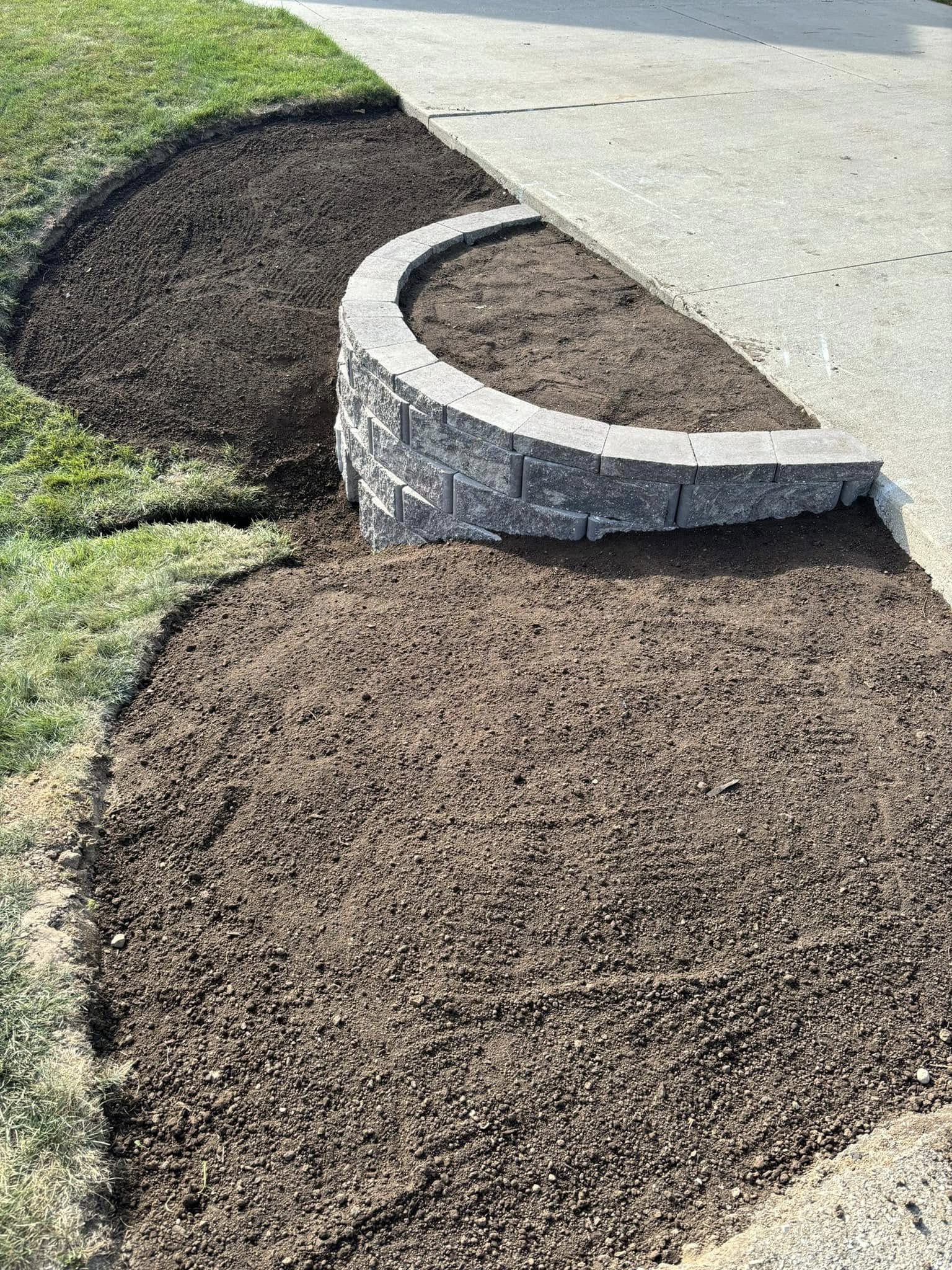
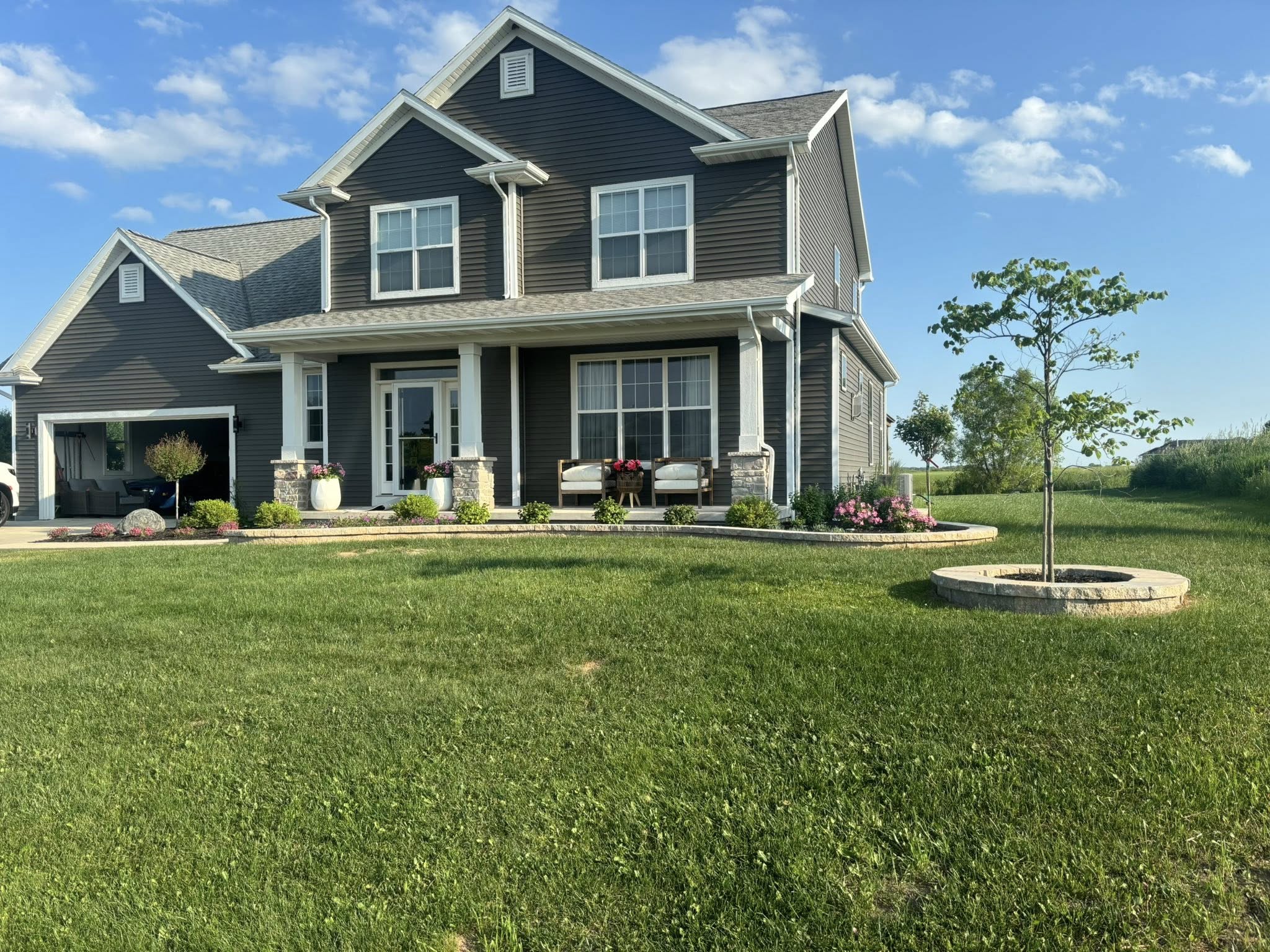
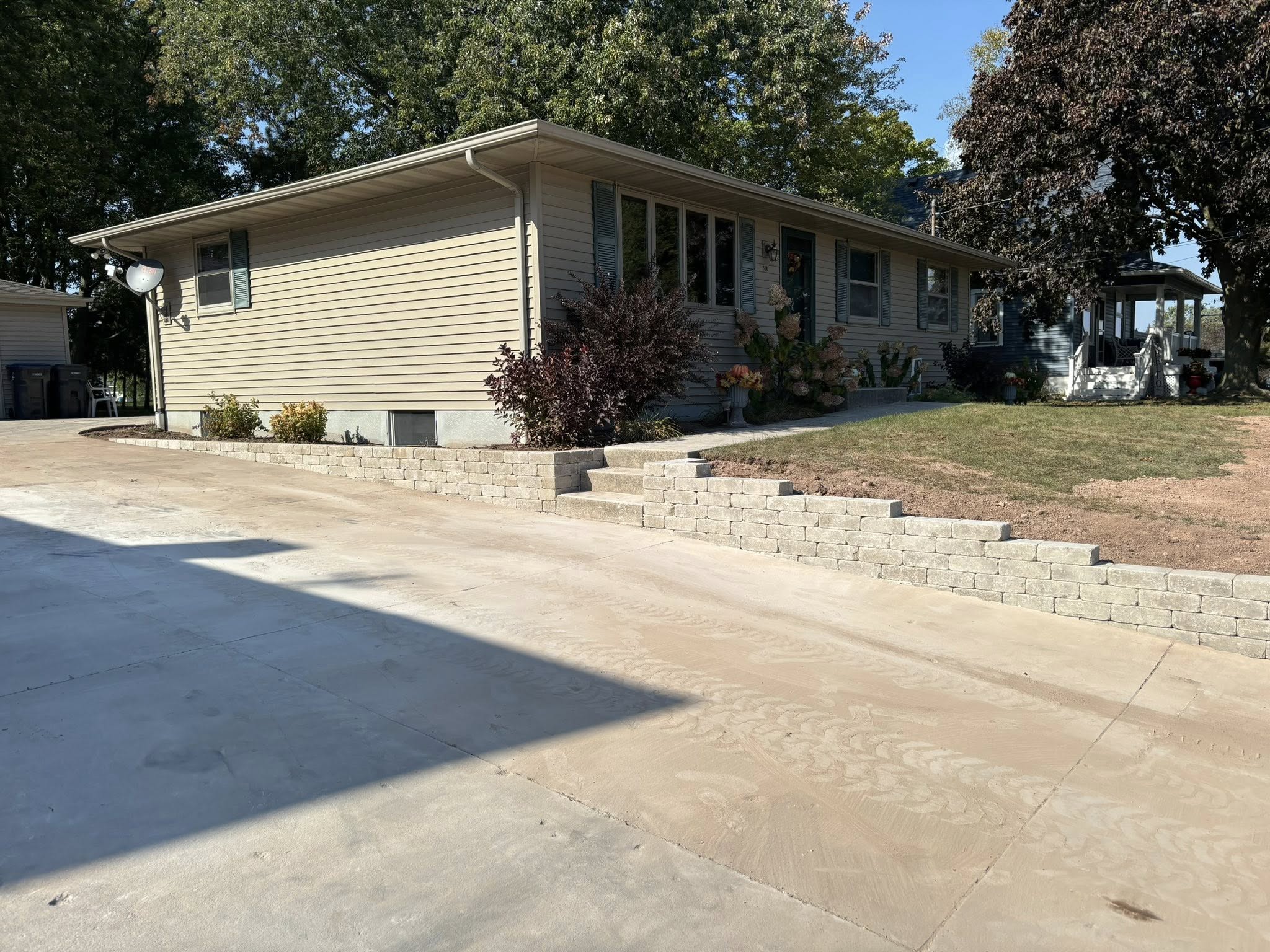
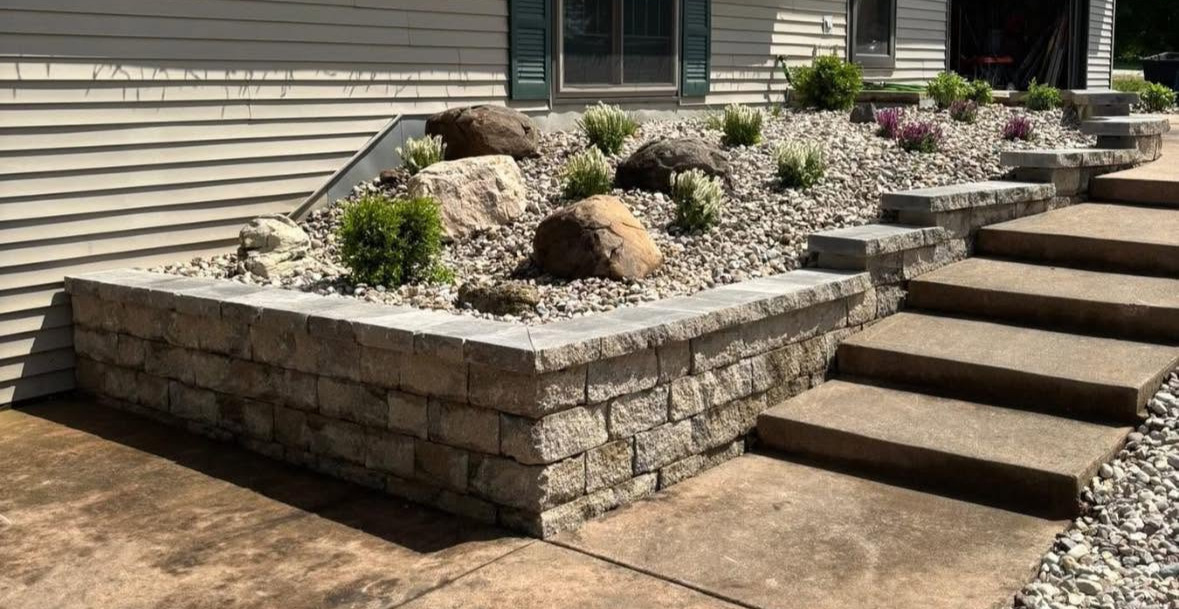
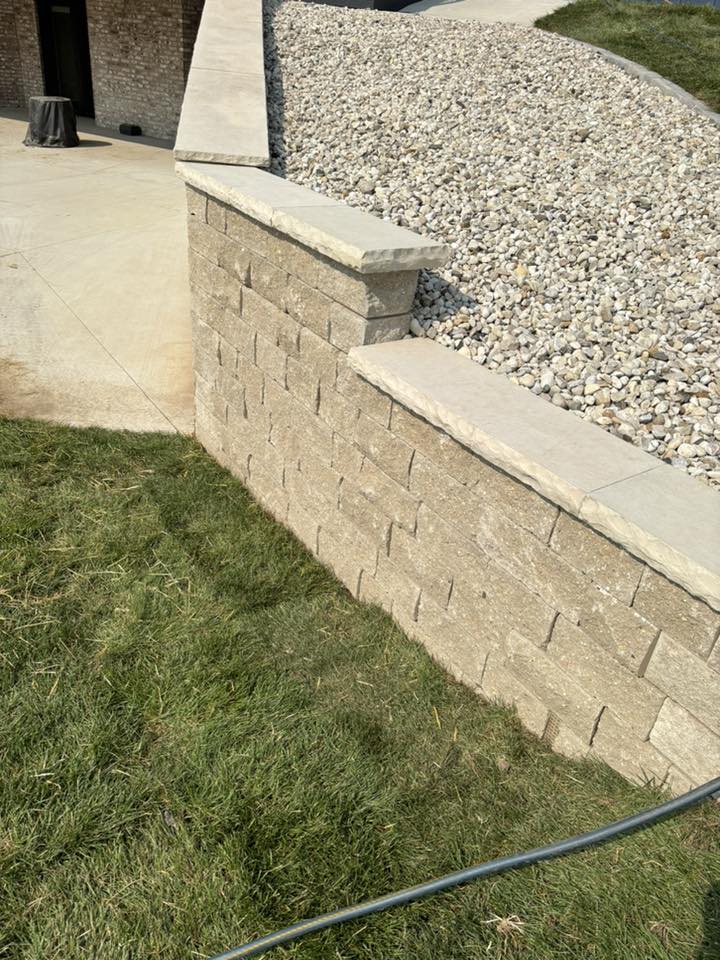
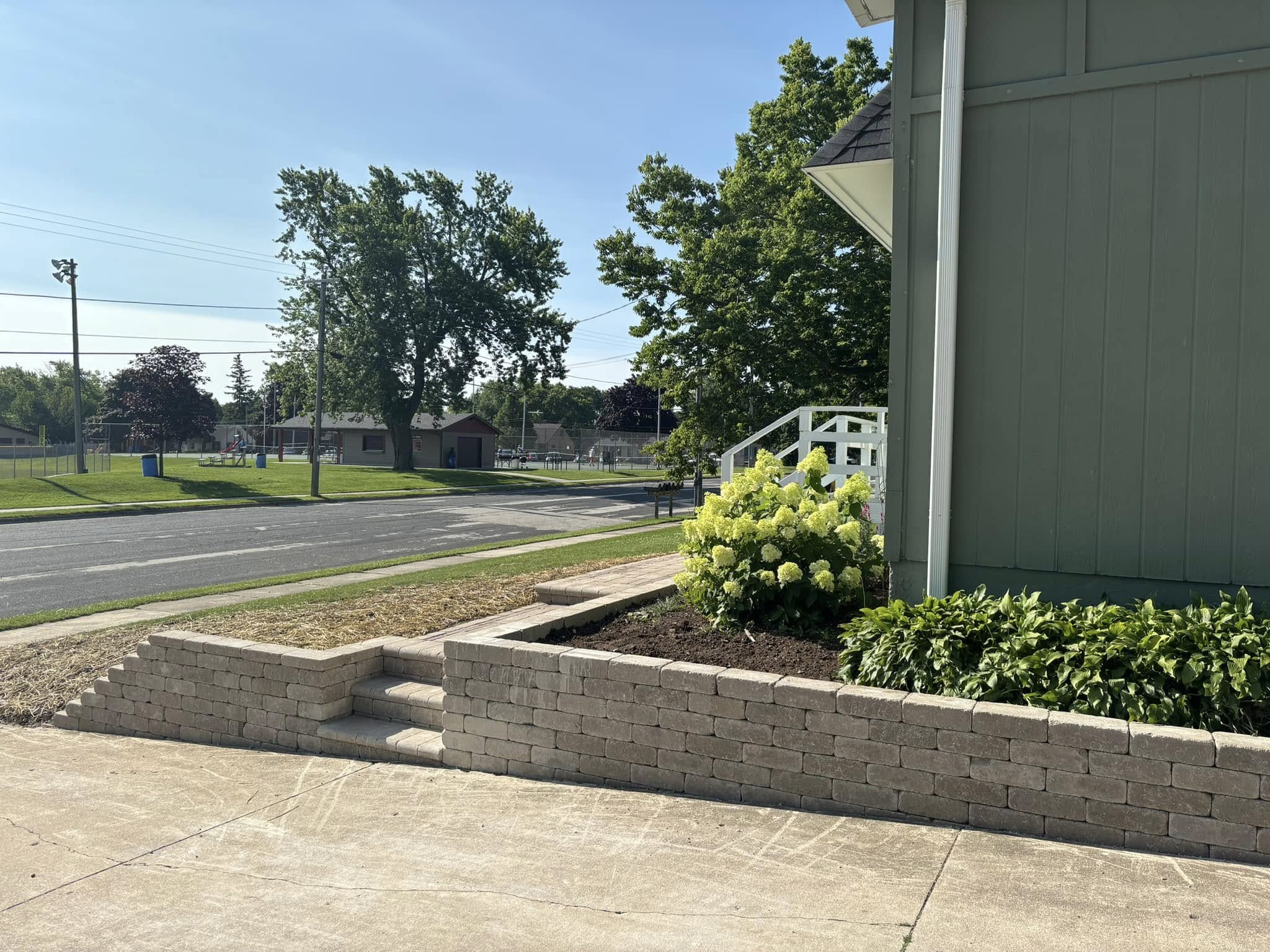
Completed retaining wall and landscape installation by a professional landscaping crew in Sheboygan County, Wisconsin

Hiring & Planning

How to Choose a Landscaping Company in Southeastern Wisconsin

To choose a landscaping company in southeastern Wisconsin, verify the contractor carries general liability and workers compensation insurance, confirm their own crew does the work rather than subcontractors, require a written specification instead of a one-line price, check recent local projects, and read the warranty for what it excludes rather than what it promises.
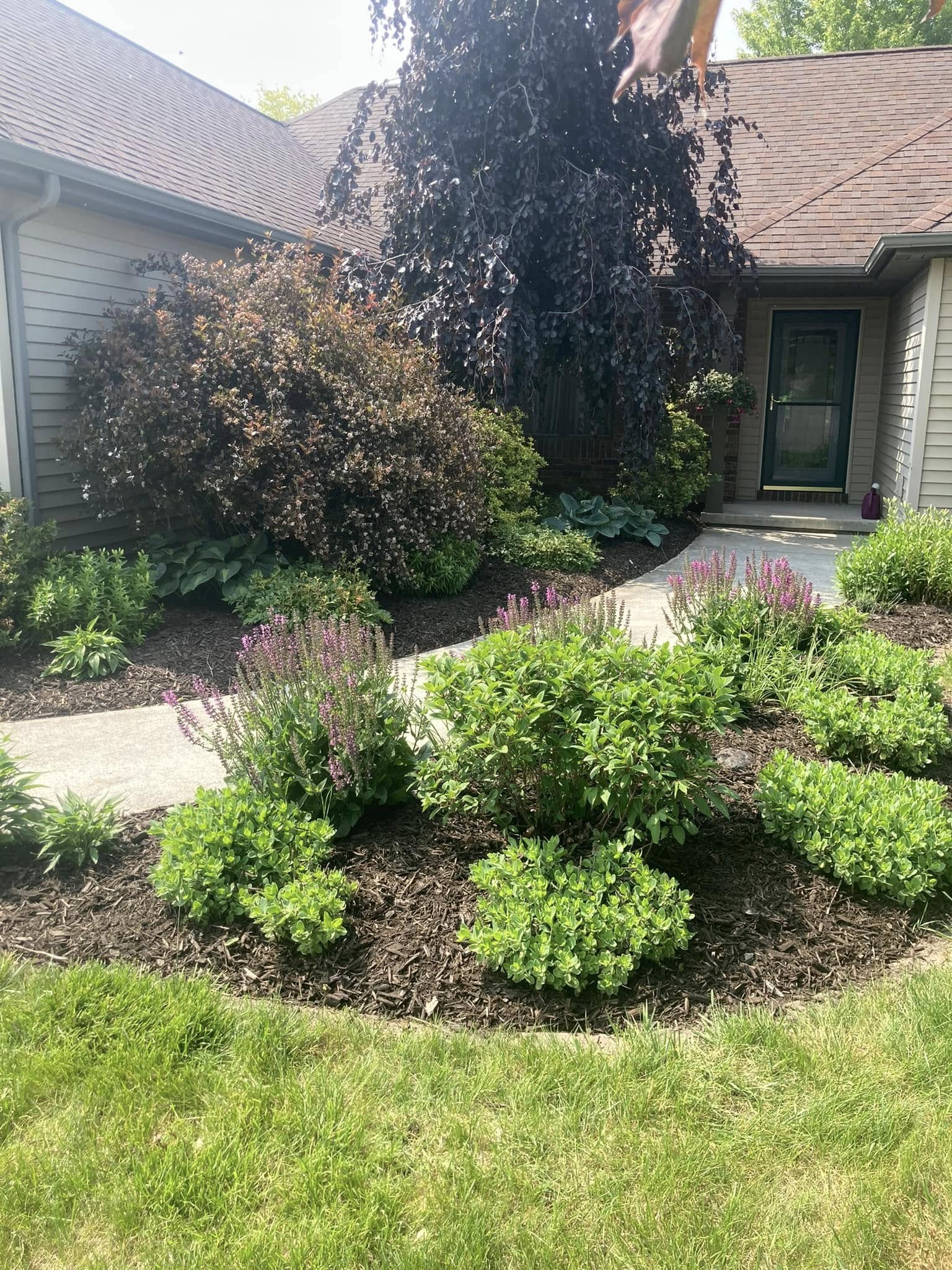
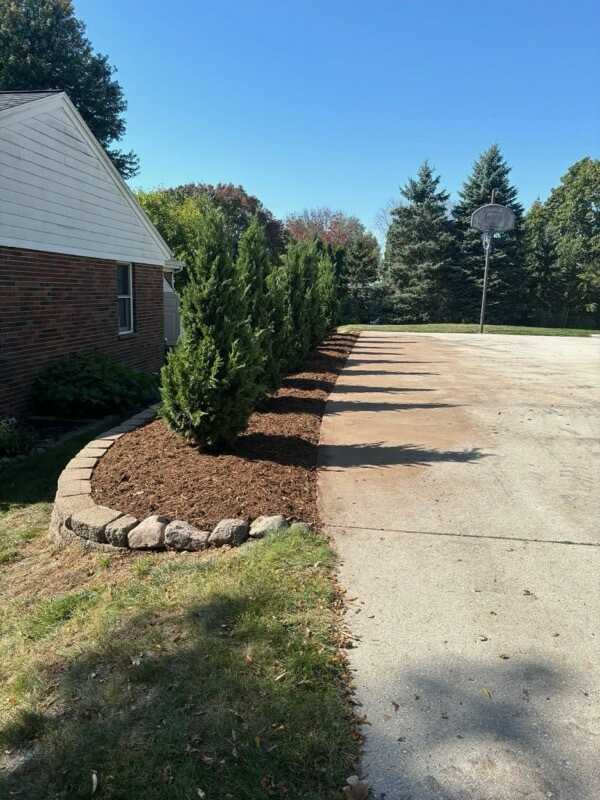
Crisp defined landscape bed edge separating mulch from lawn on a residential property in Sheboygan County, Wisconsin

Materials & Design

Types of Landscape Edging Compared: Curbing vs. Stone vs. Steel vs. Paver vs. No-Dig

The best landscape edging depends on the job: natural spade-cut edges suit informal beds and cost nothing but time, steel and aluminum give the cleanest permanent line, concrete curbing shapes freely and lasts decades when installed with control joints, and stone or paver edging pairs best with hardscaping. In Wisconsin, avoid thin plastic no-dig edging — freeze-thaw pushes it out of the ground every spring.

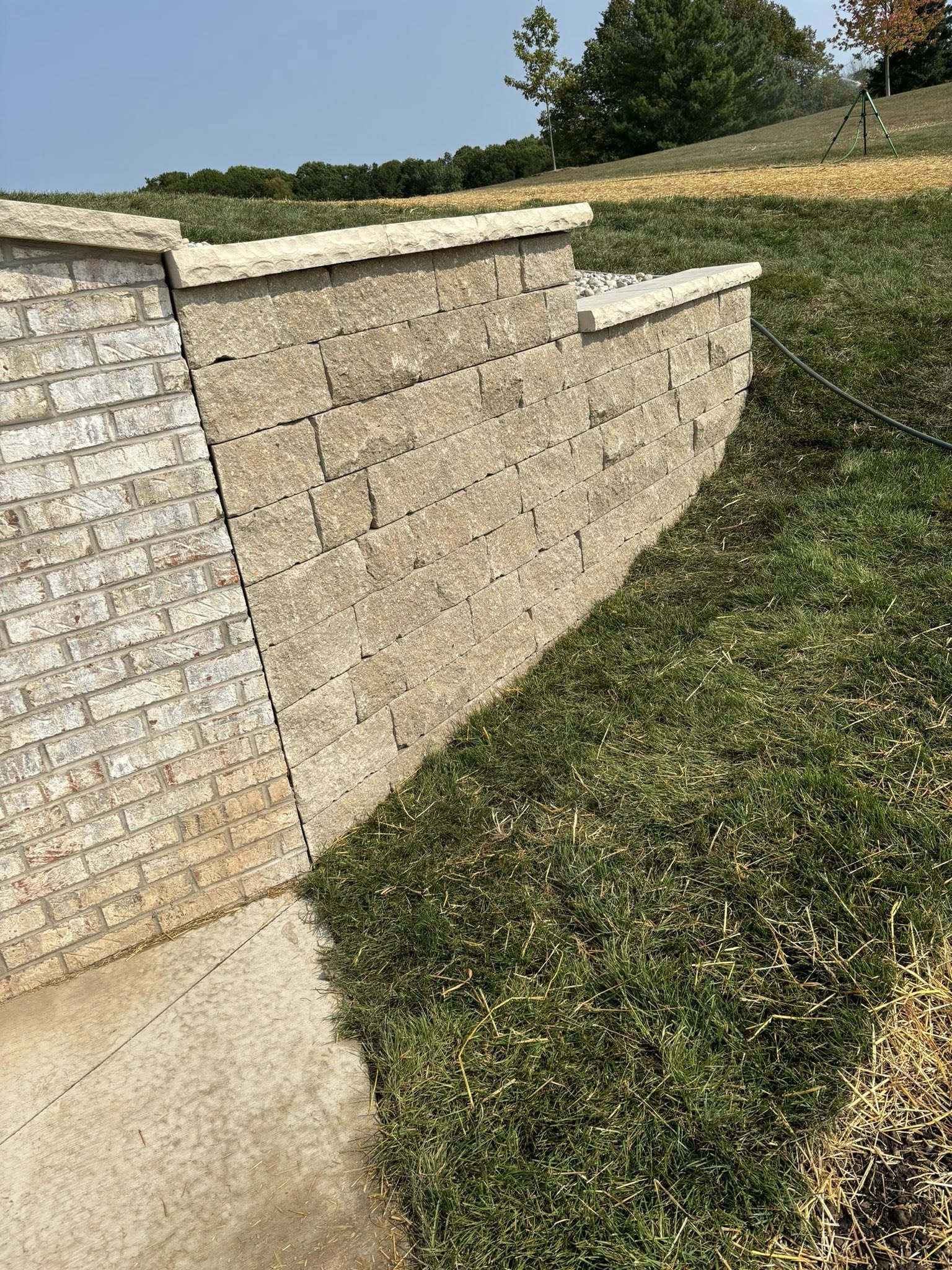
Tiered segmental block retaining wall built on a sloped residential lot in Sheboygan County, Wisconsin

Materials & Design

What Is the Best Retaining Wall Material in Wisconsin?

For Wisconsin retaining walls, segmental concrete block is the most versatile and popular material, natural stone offers the premium look, poured concrete offers maximum strength with engineering, and timber offers a rustic look with the shortest lifespan. Whichever material you choose, drainage and base preparation matter more than the material itself, because water pressure and frost are what push a wall out of plumb.

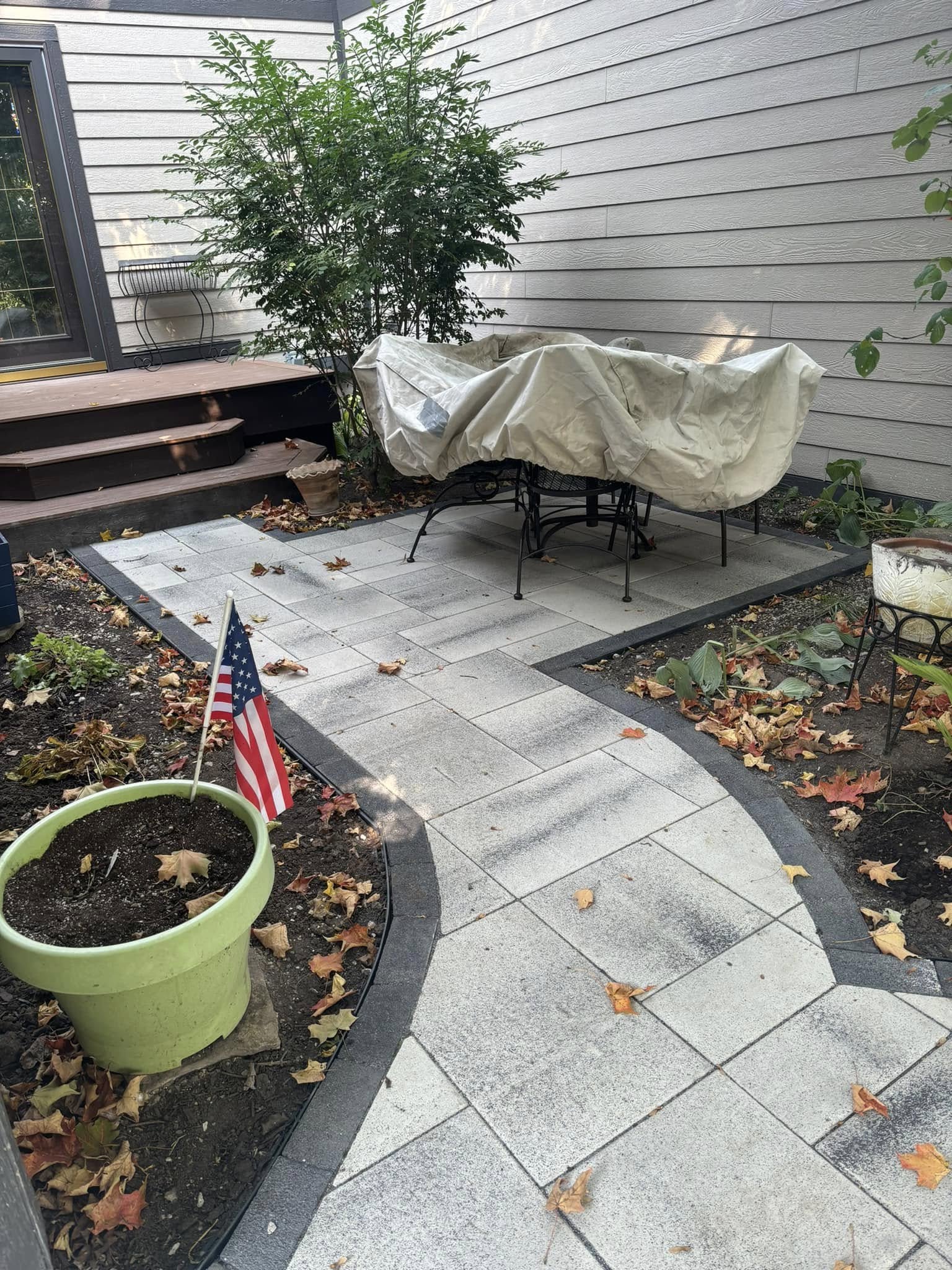
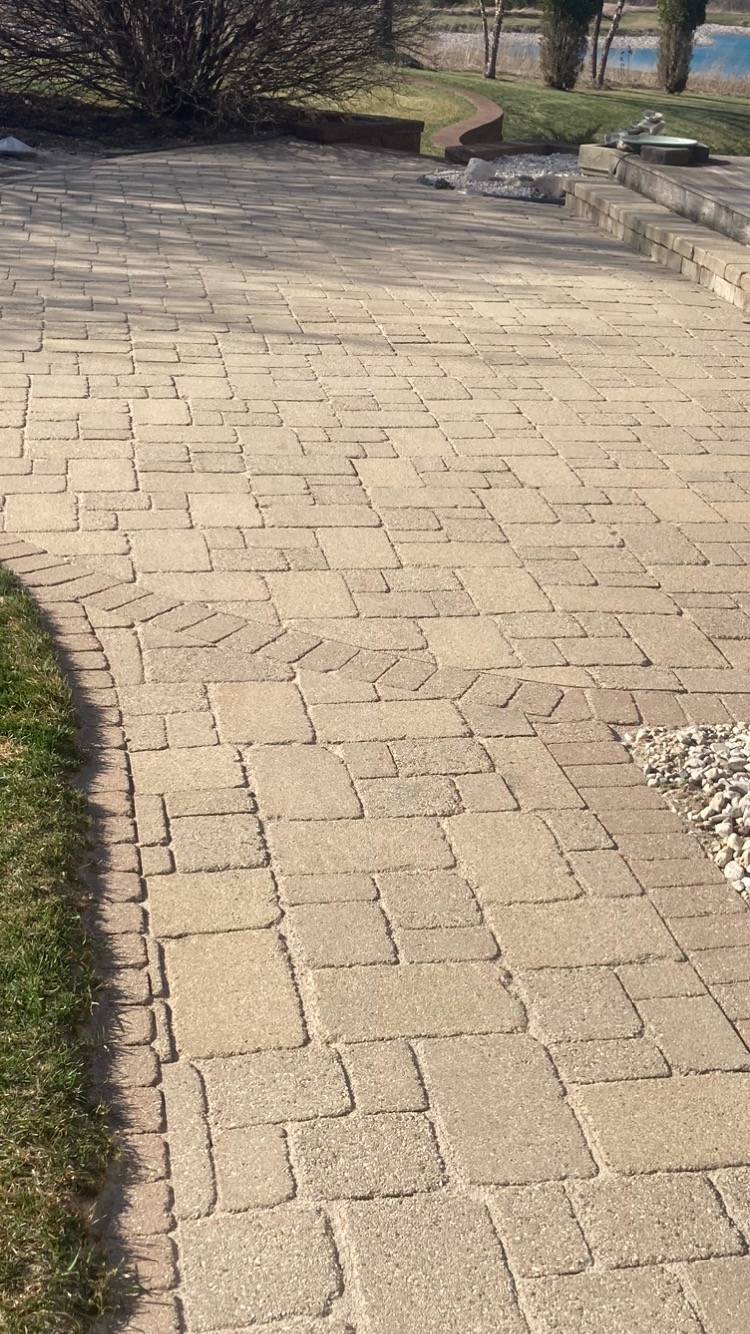
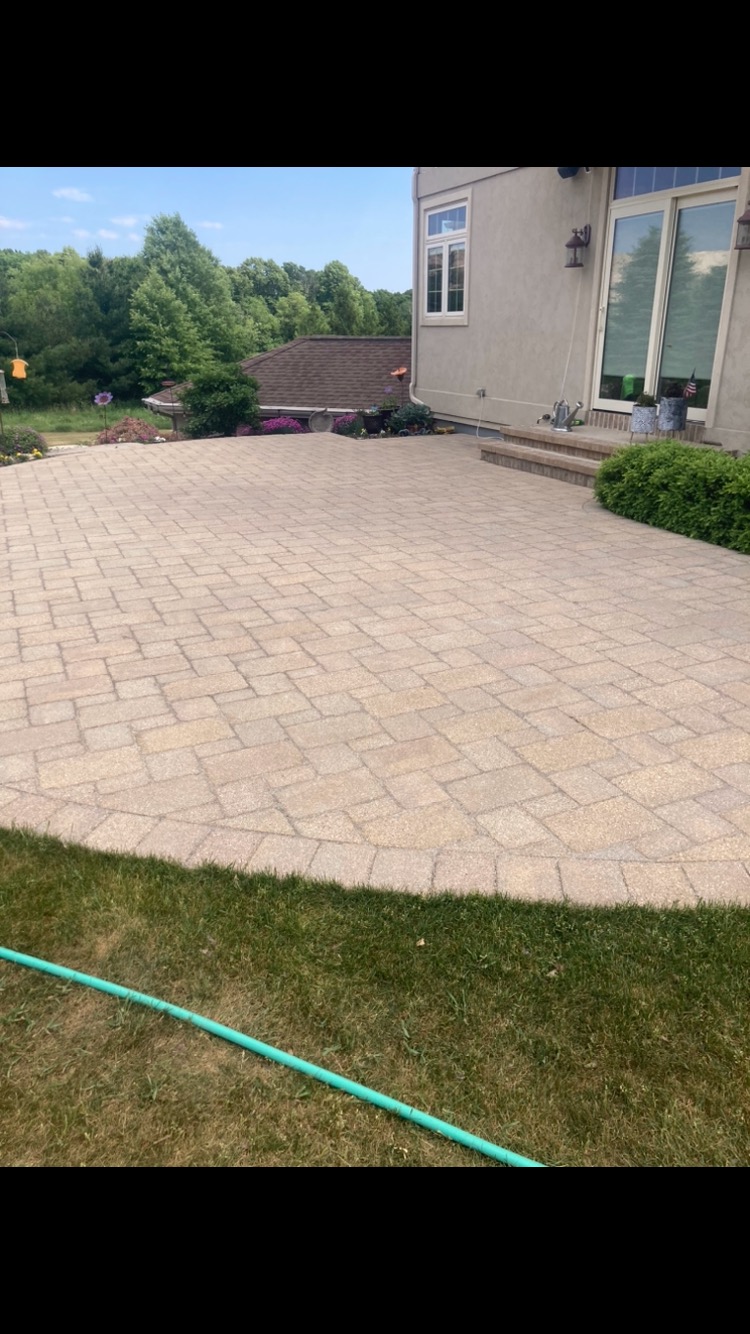
Finished concrete paver patio installed on a residential property in Sheboygan County, Wisconsin

Materials & Design

How Long Do Paver Patios Last in Wisconsin?

A properly built paver patio lasts 25 to 50 years or more in Wisconsin, and because individual pavers can be lifted and reset, it can be maintained almost indefinitely. What decides the lifespan is underneath: 6 to 8 inches of compacted crushed aggregate, edge restraint, and polymeric sand in the joints. A patio built on a shallow base heaves and becomes uneven within three winters.

Graded and drained residential landscape with retaining wall managing water on a sloped lot in Sheboygan County, Wisconsin

Drainage & Grading

Yard Drainage Solutions for Wisconsin Clay Soil

The fix for a wet Wisconsin yard depends on the cause. Standing water usually means the ground is graded toward the house and needs regrading to slope away; a wet foundation usually means downspouts dumping roof water too close; and a chronically soggy patch often needs a French drain. On Sheboygan County clay, moving water to daylight works far better than trying to soak it into the ground.

Healthy maintained residential lawn and landscape beds through the growing season in Sheboygan County, Wisconsin

Seasonal Planning

The Wisconsin Landscaping Calendar for Zone 5b

Wisconsin's Zone 5b landscaping year runs on a roughly 150-day growing season between a mid-May last frost and an early-to-mid-October first frost. Spring is for cleanup and crabgrass pre-emergent, late spring for planting and mulch, summer for mowing high and deep watering, early fall for overseeding and fertilizing, and late fall for cleanup and winter prep. Timing each task to the season is what separates a thriving landscape from a struggling one.

Freshly established healthy green lawn on a residential property in Sheboygan County, Wisconsin

Lawns & Planting

Sod vs. Seed vs. Hydroseeding for a Wisconsin Lawn

For a new lawn in Wisconsin, sod gives an instant, erosion-proof lawn you can use within weeks, seed offers the widest grass selection but takes a full season to establish, and hydroseeding lands between the two with fast, even germination and good erosion control. All three succeed or fail on timing and watering, and late summer to early fall is the best planting window in Zone 5b.

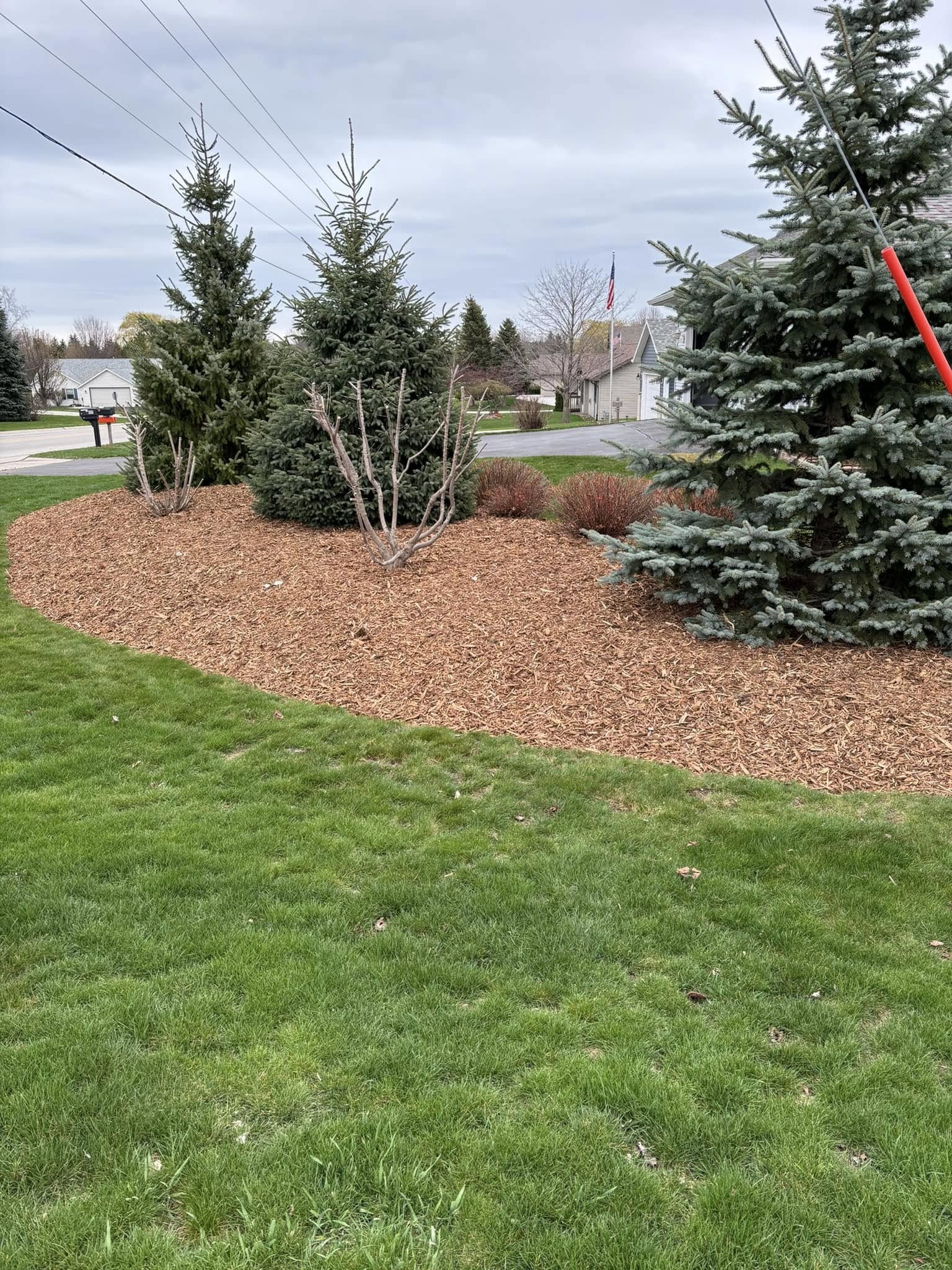
Freshly mulched landscape bed with a crisp edge on a residential property in Sheboygan County, Wisconsin

Materials & Design

Mulch vs. Rock: Which Belongs in Your Landscape Beds?

Mulch is better for planting beds because it retains soil moisture, moderates temperature, suppresses weeds, and breaks down to feed the soil — but it needs topping up every one to two years. Rock lasts for years with little upkeep and suits drainage areas and pathways, but it does nothing for plant health, radiates heat, and is nearly impossible to remove once installed. Most yards are best with both, used where each belongs.

Smooth, level, well-maintained lawn on a residential property in Sheboygan County, Wisconsin

Lawns & Planting

How to Level a Bumpy Lawn: Leveling, Rolling, and Grading Explained

An uneven lawn in Wisconsin usually comes from frost heave, settled fill over trenches or old stumps, or tunneling from voles and moles, and the fix depends on the cause. Minor bumps are corrected by topdressing thin layers of leveling mix over a season or two, while major unevenness needs a regrade. Rolling rarely helps and often compacts the soil. If a low spot stays wet, the real problem is drainage, not the surface.

Terraced retaining walls and planted tiers turning a sloped backyard into usable space in Sheboygan County, Wisconsin

Design & Ideas

Landscaping a Sloped Backyard in Wisconsin

The best way to landscape a sloped backyard is to work with the grade instead of fighting it — using terraced retaining walls, boulder outcrops, stepped patios, stone stairways, and deep-rooted plantings to turn an awkward hill into usable, erosion-proof space. On a Wisconsin slope, controlling runoff and choosing plants that hold soil matter as much as the design itself, because water and erosion are what undo a hillside.

Maintained commercial property grounds with clean turf and landscape beds in Sheboygan County, Wisconsin

Hiring & Planning

How to Choose a Commercial Landscaping Company in Sheboygan County

Choosing a commercial or HOA landscaping company comes down to reliability and accountability, not just price. Look for a contractor who carries commercial-level insurance and can name your property as an additional insured, provides a single point of contact, has the crew and equipment to serve the site consistently, and can handle year-round scope from mowing to snow removal under one contract.

Snow-cleared residential driveway and walkway in winter in Sheboygan County, Wisconsin

Hiring & Planning

When to Sign a Snow Removal Contract in Wisconsin — and Why One Contractor for Lawn and Snow

Sign a snow removal contract in Wisconsin in September or early October, before contractors finish building winter routes and before the first plowable snow, which in Sheboygan County can arrive in November. Hiring the same contractor for landscaping and snow removal gives you one accountable point of contact all year, priority routing in storms, and a crew that knows where your pavers and beds are.

Thick, healthy cool-season lawn maintained on a fall fertilizer and overseeding schedule in Sheboygan Falls, Wisconsin

Lawns & Planting

The Wisconsin Lawn Care Schedule for Zone 5b

A Wisconsin lawn care schedule for Zone 5b runs on two fall anchors: overseed and aerate in late August to mid-September, and fertilize in early September and again in late October. Spring is for cleanup, crabgrass pre-emergent when soil reaches 55°F, and the first mow at 3 inches. Summer is mow high, water deep, and feed lightly or not at all.

Natural limestone outcropping retaining wall with stone steps installed on a residential slope in Sheboygan County, Wisconsin

Materials & Design

Natural Stone Steps, Walls, and Patios in Wisconsin

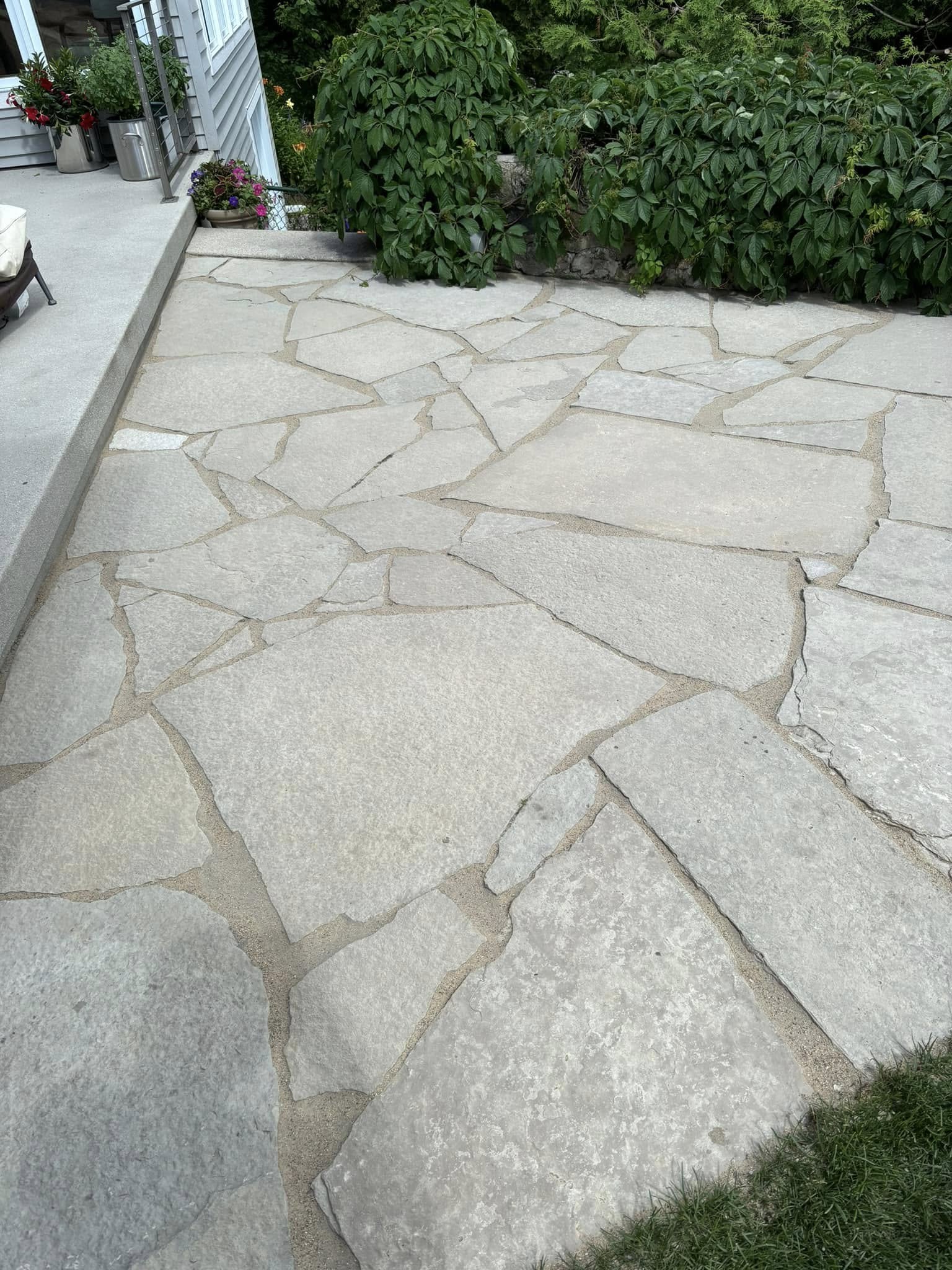
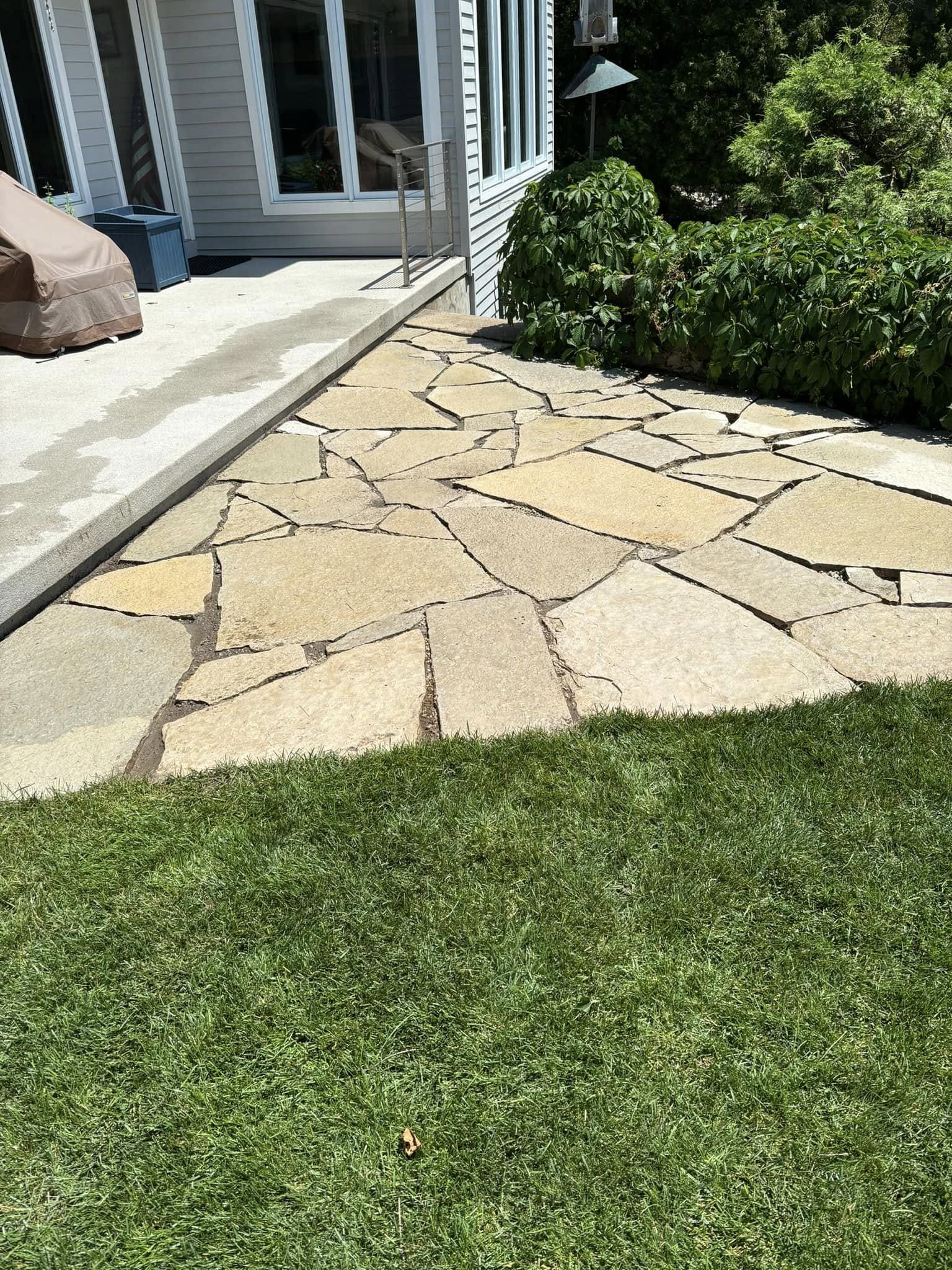
Natural stone steps, walls, and patios last for generations in Wisconsin when each stone sits on a compacted crushed-aggregate base with drainage behind or beneath it, and they fail within a few winters when set on soil. Wisconsin limestone outcropping stone, fieldstone, and flagstone each suit different jobs. Most heaved stone can be reset; stone that has cracked or a wall that has bowed is rebuilt.

Fall leaf removal and bed cleanup on a residential property before the first snow in Sheboygan County, Wisconsin

Seasonal Planning

Fall Yard Cleanup Checklist for Sheboygan County

A Sheboygan County fall yard cleanup runs from late September to the first snow: remove leaves before they mat on the lawn, keep mowing until growth stops and finish at about 2.5 inches, cut back diseased perennials but leave sturdy ones standing, winterize irrigation before a hard freeze, protect evergreens and pavers from salt and plow damage, and get the snow contract signed.

Residential driveway cleared to the pavement under a seasonal snow removal contract in Sheboygan Falls, Wisconsin

Hiring & Planning

Snow Removal Contracts Explained: Seasonal, Per-Push, and Per-Event

Snow removal contracts in Wisconsin come in three forms: seasonal, a fixed arrangement covering every storm from November through April; per-push, billed each time the plow comes; and per-event, billed once per storm regardless of passes. Seasonal contracts give the most predictability and the highest priority. Whichever type, a good contract states the trigger depth, response window, salting terms, and where snow is piled.

Plow truck clearing snow to the pavement on a commercial property before business hours in Sheboygan County, Wisconsin

Hiring & Planning

Commercial Snow Removal in Sheboygan County: Lots, Walks, and Liability

Commercial snow removal in Sheboygan County means a seasonal contract with a 1-inch trigger, lots and walks cleared before business opening, mid-storm passes on long events, documented salt or brine ice control on every visit, agreed snow-pile locations that preserve parking and sight lines, sidewalk clearing within the municipal deadline, and a contractor with liability insurance that can name the property as additional insured.

Landscape beds and evergreens prepared for winter with cleanup complete and protection in place on a residential property in Sheboygan County, Wisconsin

Seasonal Planning

How to Winterize Your Landscape in Wisconsin

Winterize a Wisconsin landscape in late October and November: water evergreens deeply until the ground freezes and screen them from wind and road salt, guard young tree trunks against rabbits and sunscald, mulch tender perennials after the soil cools, blow out the irrigation system before the first hard freeze, drain water features and containers, and stake hardscape edges for the plow.

Dense concrete paver walkway built to resist winter de-icing salt on a residential property in Sheboygan County, Wisconsin

Materials & Design

Ice Melt and Salt Damage: Protecting Pavers, Concrete, and Plants in Wisconsin

Rock salt damages concrete by driving freeze-thaw cycles in its pores, spalling the surface, and it burns plants and lawn along the edges. Dense concrete pavers, clay, and porcelain resist it; poured and stamped concrete do not. Calcium chloride works to about −25°F and is gentler on concrete than rock salt; sand adds traction without melting. Never salt concrete in its first winter.

Newly planted trees and shrubs in a mulched landscape bed on a residential property in Sheboygan County, Wisconsin

Seasonal Planning

When to Plant Trees and Shrubs in Wisconsin

The best times to plant trees and shrubs in Wisconsin are early spring, from ground thaw through May, and early fall, from late August to mid-October. Fall suits most deciduous trees and shrubs because roots grow in warm soil before dormancy; spring suits evergreens, oaks, and slow-rooting species. Avoid planting in July heat or after the ground freezes.

Dense, level residential lawn on clay soil maintained with annual fall core aeration in Sheboygan County, Wisconsin

Lawns & Planting

Lawn Aeration and Dethatching in Wisconsin

Core aerate a Wisconsin lawn every one to two years in early fall, late August to mid-September, to relieve the compaction that heavy clay soil develops. Dethatch only when the thatch layer measures more than about half an inch, and do it in the same fall window followed by overseeding. Most lawns need aeration regularly and dethatching rarely; spring dethatching usually does more harm than good.

Thick lawn recovered from thin, patchy turf after fall core aeration and overseeding in Sheboygan County, Wisconsin

Lawns & Planting

How to Fix a Thin, Patchy Lawn in Wisconsin

To fix a thin, patchy lawn in Wisconsin, first identify why it thinned — shade, compacted clay, grubs, mowing too short, dog urine, road salt, or a grass type wrong for the site — and correct that cause. Then repair it in late August to mid-September by core aerating, overseeding with a blend suited to the conditions, keeping seed moist, and fertilizing in early fall.

Neatly trimmed foundation shrubs in a mulched landscape bed on a residential property in Sheboygan County, Wisconsin

Seasonal Planning

When to Trim Bushes and Shrubs in Wisconsin

The best time to trim bushes in Wisconsin depends on when they bloom. Prune spring-flowering shrubs like lilac, forsythia, and bridal wreath spirea right after they finish blooming in late May or June. Prune summer-flowering shrubs like panicle hydrangea and potentilla in late winter before growth starts. Shear evergreen hedges in June, lightly again by early August, and never after mid-August.

Tree removal crew lowering sections of a hazard tree with cleanup underway on a residential lot in Sheboygan County, Wisconsin

Hiring & Planning

Tree Trimming vs. Removal: When to Take a Tree Down

A tree needs to come down when its structure is failing — more than a third of the crown dead, fungal conks or hollow trunk, a fresh lean with heaved roots, cracks or included bark at a major union, or an ash tree with emerald ash borer. Trimming solves dead limbs, clearance, storm damage under a third of the crown, and crossing branches.

Concrete paver patio with tight polymeric sand joints built on a compacted base in Sheboygan County, Wisconsin

Materials & Design

Paver Patio vs. Concrete Patio for Wisconsin Winters

Pavers are better than concrete for a patio in Wisconsin winters. A paver patio is hundreds of individual units on a flexible compacted base, so it moves with frost and settles back, resists de-icing salt, and can be repaired invisibly by resetting units. A poured or stamped concrete slab is rigid: freeze-thaw cracks it, salt spalls its surface, and repairs never match.

Paver patio with tight edge restraint and level surface after base correction and reset in Sheboygan County, Wisconsin

Materials & Design

Patio Repair vs. Rebuild: Sunken, Heaved, and Shifting Pavers

A paver or stone patio can be repaired when the problem is local — a sunken strip over a trench, a heaved spot near a downspout, a spreading edge — by lifting the affected units, correcting and compacting the base, and resetting them invisibly. It needs to be rebuilt when the settling is widespread, because that means there is no adequate base under it at all.

Crew constructing a segmental block retaining wall with geogrid and drainage on a residential lot in Sheboygan County, Wisconsin

Hiring & Planning

Landscaping Permits in Sheboygan County: Patios, Retaining Walls, Fences, and Decks

In Sheboygan County, a ground-level paver patio usually does not need a building permit, but retaining walls over 4 feet, decks, and structures with roofs, gas, or electrical do. Fences typically need a zoning permit with height limits. Lakefront and riverfront lots fall under shoreland zoning with impervious-surface caps. Rules differ by municipality, so confirm with your city or village before building.

Completed hardscape project with retaining wall, paver patio, and steps integrated with plantings on a residential lot in Sheboygan County, Wisconsin

Materials & Design

What Is Hardscaping? A Homeowner's Planning Guide

Hardscaping is the built, non-living part of a landscape: patios, walkways, driveways, retaining and seating walls, steps, fire pits, outdoor kitchens, pergolas, and edging. Softscaping is everything that grows. In Wisconsin, hardscape is planned and built first because it sets grades, handles water, and sits on a compacted base that must be right before plantings and lawn go in around it.

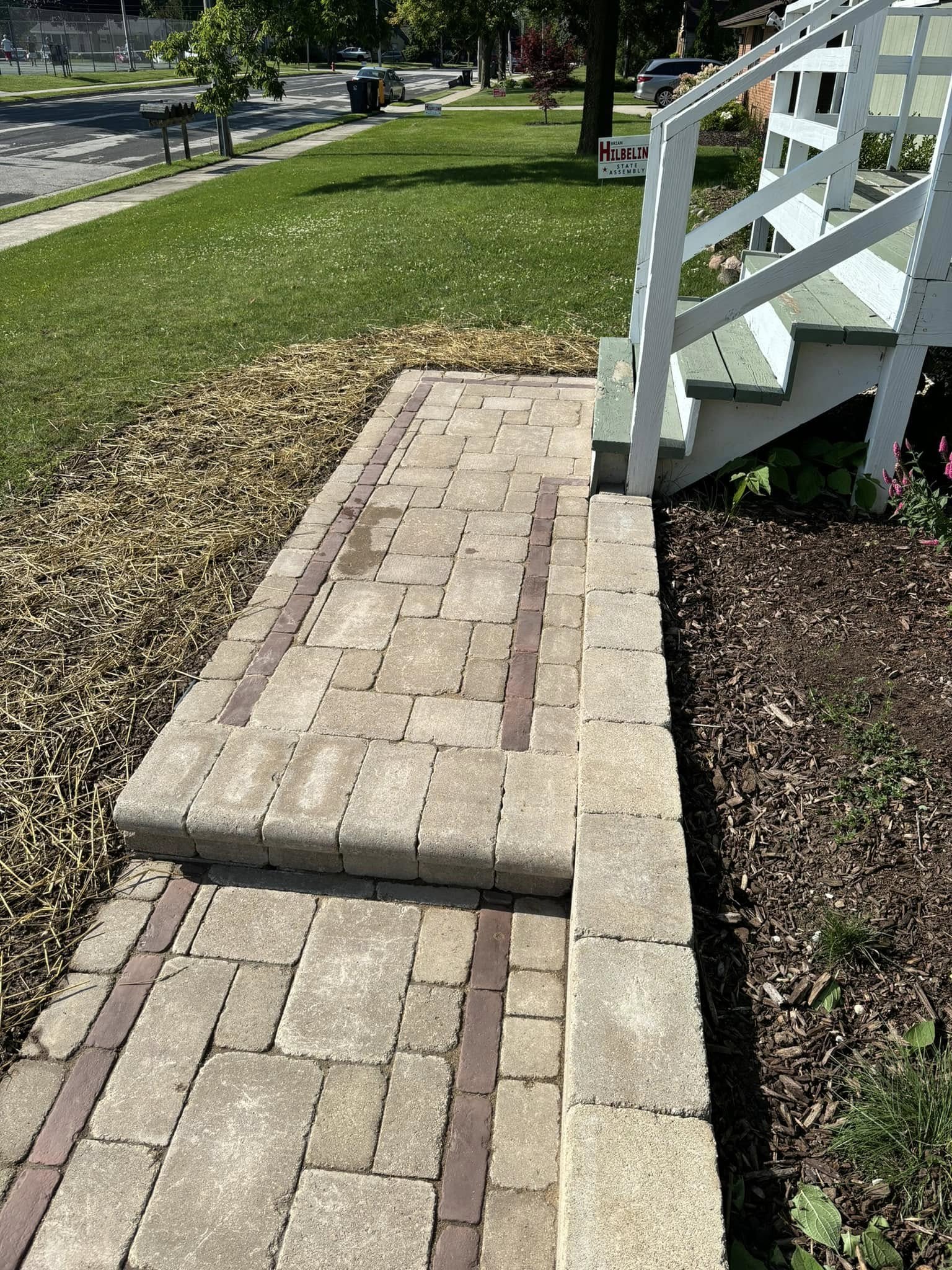
Paver walkway with soldier-course edging connecting a driveway to a patio on a residential property in Sheboygan County, Wisconsin

Materials & Design

Walkway Options: Paver, Flagstone, Stepping Stone, or Concrete

For a Wisconsin walkway, concrete pavers and dense flagstone on a compacted base are the most durable choices and the easiest to shovel; stepping stones set in lawn or gravel suit low-traffic garden paths; poured concrete cracks and spalls. A front walk should be at least 4 feet wide and follow the route people actually take from the driveway to the door.

Paver patio outdoor living space at grade with seating and plantings on a residential lot in Sheboygan County, Wisconsin

Design & Ideas

Deck vs. Patio for a Wisconsin Backyard

Choose a deck when the door sits well above grade or the yard drops away steeply, because a raised structure is the practical way to reach it. Choose a patio when the lot is level or gently sloped: a paver patio lasts decades in Wisconsin freeze-thaw with almost no maintenance, supports fire features and outdoor kitchens, needs no building permit at grade, and never needs staining or board replacement.

Completed residential landscape design with layered foundation plantings and hardscape in Sheboygan County, Wisconsin

Design & Ideas

The Landscape Design Process: What to Expect From Site Visit to Installation

A residential landscape design process runs from a site visit and analysis of sun, soil, grade, and drainage, through a concept plan that fixes the layout, to a master plan with plant lists, materials, and often 3D renderings, and finally to a phased installation plan. A landscape designer's job is to solve the site's problems and the homeowner's wish list in one drawing.

Layered front yard foundation planting with evergreens, shrubs, and perennials in a mulched bed on a Wisconsin home in Sheboygan County

Design & Ideas

Front Yard Landscaping Ideas for Wisconsin Homes

The best front yard landscaping ideas for Wisconsin homes build four-season structure first — evergreens, ornamental grasses, and stone that look intentional in March — then layer foundation plantings by height, replace the narrow strip along the house with a bed deep enough to plant in, give the front door a real walkway, and choose Zone 5b plants that tolerate road salt and snow load.

Mixed perennial and shrub planting bed with Zone 5b hardy plants in bloom on a residential property in Sheboygan County, Wisconsin

Lawns & Planting

The Best Shrubs and Perennials for Zone 5b in Sheboygan County

The best shrubs and perennials for Sheboygan County are those rated hardy to USDA Zone 5b or colder that also tolerate heavy clay, deer, and road salt: panicle hydrangea, ninebark, dwarf lilac, juniper, boxwood, and viburnum among shrubs; coneflower, sedum, catmint, daylily, hosta, and Karl Foerster grass among perennials. Match each plant to sun, drainage, and its job in the yard.

Freshly mulched flower bed with shredded hardwood mulch and a crisp spade-cut edge on a residential property in Sheboygan County, Wisconsin

Materials & Design

The Best Mulch for Flower Beds in Wisconsin

The best mulch for flower beds in Wisconsin is shredded hardwood bark: it knits together so it stays put on slopes and in wind, breaks down over one to two seasons to feed the clay soil, and looks natural. Cedar lasts longer and resists insects; compost is best around perennials. Apply 2 to 3 inches in May, pulled back from stems, and top up yearly.

Landscape bed with decorative stone and boulder accents around shrubs on a residential property in Sheboygan County, Wisconsin

Materials & Design

Landscape Rock Types Compared: River Rock, Granite, Limestone, and Trap Rock

The common landscape rocks in Wisconsin are river rock for a smooth natural look, granite and trap rock for angular beds that stay put, limestone for a light color at low cost, pea gravel for paths, and boulders for accents. Rock is installed 2 to 3 inches deep over geotextile with a solid edge, and belongs in drainage areas, foundation strips, and paths — not planting beds.

Skid steer grading and building a retaining wall on a new construction lot in Sheboygan County, Wisconsin

Drainage & Grading

New Construction Landscaping: From Rough Grade to Finished Yard

A new construction yard in Sheboygan County is built in order: final grading that slopes away from the foundation, drainage for roof and surface water, breaking up the compacted clay subsoil, 4 to 6 inches of topsoil, hardscape, and only then lawn and plantings. The builder's rough grade is not a finished grade, and a lawn seeded over compacted fill fails within two seasons.

Buried drainage line and clean stone installed to carry roof water away from a foundation on a residential property in Sheboygan County, Wisconsin

Drainage & Grading

Downspout Extensions and Gutter Drainage: Getting Roof Water Away From the Foundation

Downspouts should discharge at least 6 feet from the foundation, and 10 feet on clay soil, onto ground that slopes away. The options are above-ground extensions, buried solid drain lines to a pop-up emitter or daylight outlet, and — where there is no outlet — a rain garden. Dry wells fail in Sheboygan County clay. Roof water at the foundation is the most common cause of wet basements.

Professionally maintained residential lawn and landscape beds under a year-round maintenance program in Sheboygan County, Wisconsin

Hiring & Planning

What a Year-Round Landscape Maintenance Plan Should Include

A complete year-round landscape maintenance plan covers the lawn — mowing, edging, fall fertilizer, weed control, aeration, and overseeding — and the beds — spring and fall cleanups, mulch, pruning timed to each plant, and weeding — plus snow removal in winter, on a visit schedule that follows the Zone 5b calendar. A mow-only service covers the first item and leaves the rest to the homeowner.

Ready to Get Started?

Contact us today for a free estimate. We’d love to hear about your project.